The National Geologic Map Database is migrating to a new infrastructure. We apologize for any service disruptions during this process.
|
|---|


- Usage in publication:
-
- Cushenbury Springs formation
- Modifications:
-
- Named
- Dominant lithology:
-
- Breccia
- AAPG geologic province:
-
- Transverse Ranges province
Summary:
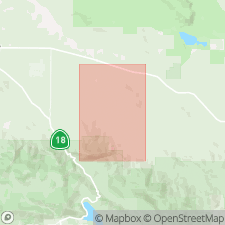
Named after springs near mouth of Cushenbury Canyon. [Type locality] designated as exposures along northern escarpment of San Bernardino Mountains from Arrastre Canyon 19 km west to Dry Canyon, Lucerne Valley quad, San Bernadine Co, CA. Divided into seven informal numbered members (ascending): Member 1 is composed of limestone-cobble fanglomerate. Member 2 is composed of resistant gray marble breccia and quartzite breccia. Member 3 is composed of flat lying well-cemented brown limestone-cobble fanglomerate, with pebbles and cobbles of Furnace Limestone. Member 4 is "is informally named Silver Reef breccia" and forms a landslide lobe. Member 5 consists of landslide debris composed of large masses of Furnace Limestone. Member 6 is a light brown limestone-pebble fanglomerate. Member 7 consists of gray unsorted and unstratified breccia of fresh angular fragments of "Furnace marble" and is informally termed "Blackhawk breccia". Is greater than 330 m thick. Conformably overlies Old Woman Sandstone. Underlies Holocene gravels. Age on map explanation is Pliocene(?) and Pleistocene(?).
Source: GNU records (USGS DDS-6; Menlo GNULEX).
For more information, please contact Nancy Stamm, Geologic Names Committee Secretary.
Asterisk (*) indicates published by U.S. Geological Survey authors.
"No current usage" (†) implies that a name has been abandoned or has fallen into disuse. Former usage and, if known, replacement name given in parentheses ( ).
Slash (/) indicates name conflicts with nomenclatural guidelines (CSN, 1933; ACSN, 1961, 1970; NACSN, 1983, 2005, 2021). May be explained within brackets ([ ]).