

- Usage in publication:
-
- Buena Suerte formation, limestone
- Modifications:
-
- First used
- Dominant lithology:
-
- Limestone
Summary:
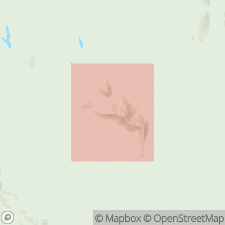
First used as one of eight formations in the Sierra de Los Lamentos, northern Chihuahua, MX. The lower four formations (Angela, Los Lamentos, San Vicente, and Bufa limestones) are separated from the upper four formations (Sonora, Tlaxcala, Buena Suerte, and Triste limestones) by the Sonora thrust fault. It is possible that the formations above the Sonora fault are simply a repetition of the section below the fault. Type not designated; name attributed to F. L. Ransome, derivation not stated. Overlies Tlaxcala limestone. Underlies Triste limestone. Is thin-bedded limestone forming prominent bench on hill slope. Lower beds have blotchy appearance due to numerous fossil sponges. Abundant fossil sea urchins (HEMIASTER) occur in beds near base. Other fossils listed. Upper beds yield poorer fossil material and grade into more massive limestone. Is 500 ft thick. Echinoids are suggestive of Washita fauna, but all are known to range lower. Age is [Early] Cretaceous.
Source: GNU records (USGS DDS-6; Denver GNULEX).
For more information, please contact Nancy Stamm, Geologic Names Committee Secretary.
Asterisk (*) indicates published by U.S. Geological Survey authors.
"No current usage" (†) implies that a name has been abandoned or has fallen into disuse. Former usage and, if known, replacement name given in parentheses ( ).
Slash (/) indicates name conflicts with nomenclatural guidelines (CSN, 1933; ACSN, 1961, 1970; NACSN, 1983, 2005, 2021). May be explained within brackets ([ ]).